Shredding end of life tyres in one pass
End-of-life tyres for cars, trucks, aircraft and heavy-duty vehicles are among the most problematic and difficult waste types to recycle. Impossible for other shredders with the same fuel efficiency and capacity, TANA high-torque shredders make it possible to shred tyres to a very homogeneous 80 mm (3″) particle size in just one pass and separate most of the metals during the shredding process. An overband magnet separates most of the metal wires directly from the shredded material flow on the conveyor. Once separated, shredded tyres and metals can be sold and reused in many ways.
The particle size can be adjusted by changing the counter-knife setting on the side door and choosing a suitable rotor screen. The bigger the particle size, the higher the capacity. By using the operating program for tyres, the machine automatically adjusts itself to the optimal level, thereby protecting the machine and optimizing operating costs.
How to generate income from end-of-life tyres?
End-of-life tyres have value far beyond waste disposal. After shredding and processing, they become a valuable raw material for many industries. Here are some of the most common applications.
Road construction
- Asphalt companies buy large quantities of shredded rubber crumbs to mix with hot-melt asphalt and make pavements cheaper.
- Other road construction companies purchase medium-sized shredded tyres for road beds to minimize vibration and for highway sound barriers.
Energy recovery
- Shredded tyres are ideal for increasing the heating value of refuse-derived fuel (RDF) in incineration plants.
Rubber products
- Pure rubber can be granulated and used in the foundations of racetracks, playgrounds, and garden beds. It is also used as bark mulch to retain moisture and prevent weed growth.
- Tyre manufacturers are always looking for recycled rubber that they can use to manufacture new tyres.
Landfill applications
- Landfill sites can use shredded tyres for leachate lines and to help build new landfill cells.
Industrial applications
- Steel mills can use shredded tyres as a carbon source by replacing coal or coke during manufacturing.
Environmental protection
- Rubber tyres can be used in barriers for collision reduction, erosion control, and rainwater runoff. They also help protect piers and marshland from wave action.
Tyres as an Alternative Fuel in cement kilns
End-of-life tyres pose recycling challenges due to shredding costs, but tyre‑derived fuel (TDF) offers a strong alternative to conventional kiln fuels. TDF’s calorific value is nearly on par with oil and about 25% higher than coal—plus, it’s cheaper—making it economically attractive. Compared with refuse-derived fuel (RDF) or solid recovered fuel (SRF), TDF is more consistent, simplifying combustion control.
With growing tyre waste and landfill bans, TDF represents a readily available resource globally. Its use in cement kilns also reduces nitrogen oxide (NOₓ) and particulate emissions, decreasing urea needs during production.
TANA Shark for processing tyres
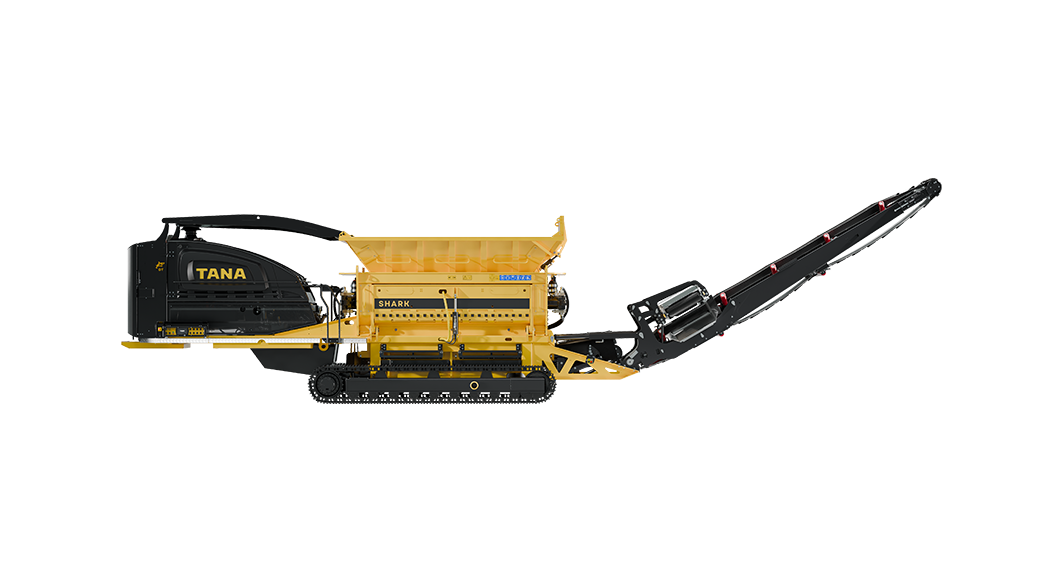
The TANA Shark shredder is optimal for producing TDF:
Tyre-derived fuel delivers cost savings, consistency, and emission benefits when used in cement kilns. The TANA Shark streamlines TDF production with flexible sizing, steel handling, and multi-waste capability—making it an efficient one‑machine solution.
TANA machines for material recovery and re-use
Curious to learn more about TANA solutions? Reach out today!
Whether you have a question, need more information, or would like to discuss demo opportunities, our team is here to help. Get in touch, and we’ll be happy to assist you. You can also reach out to your local authorized Tana distributor.