
As climate discussions continue across industries, many see the circular economy as part of the solution. However, universally accepted standards for measuring its full emissions impact are still evolving. ESG Specialist Essi Sarja shares her perspective on how continuous development and operational efficiency can help reduce climate impact at Tana.
Essi Sarja works closely with these topics across teams at Tana. After years of collecting and analyzing company data, she has led efforts to identify improvement areas and prioritize actions with measurable impact. What future needs does she see? And what role does continuous development play in improving environmental performance?
“Measuring and analyzing our environmental impact is an essential part of developing more sustainable operations and solutions. Since 2024, we have measured our Company Carbon Footprint (CCF), which provides a solid understanding of where emissions are generated. This allows us to identify the main sources, the majority of which originate not from our own operations, but from activities across our value chain,” Sarja explains.
Focusing on the areas with the greatest impact
From an emissions perspective, the share related to Tana’s own energy consumption is relatively minor. In addition, all energy procured by Tana already comes from renewable sources, meaning emissions from this category are close to zero. Therefore, setting separate reduction targets for energy-related emissions within our scope 2 (in this case, purchased electricity and heating) operations would not be meaningful.
Instead, it is more effective to focus on value chain areas that generate the most emissions and offer the greatest potential for impact. According to Sarja, the largest share of emissions comes from the use phase of the machines Tana sells.
“This is why many of our concrete climate actions are focused on energy use and machine efficiency,” she says.
Improving machine efficiency across the lifecycle
Tana’s Research & Development and Product Marketing teams continuously work to improve fuel efficiency and advance machine electrification. In addition, Tana has recently worked on enabling the use of renewable fuel for customers.
“Renewable diesel is produced from waste and residue materials and can reduce lifecycle greenhouse gas emissions by up to 90%. One key advantage is that the impact is not limited to newly sold machines. Depending on technical compatibility and lifecycle stage, renewable diesel can also reduce emissions in existing fleets through upgrades, component changes, or rebuilding processes,” Sarja notes.
TANA machines are known for their durability, long lifetime, and repairability. As machine lifecycles continue to extend, the role of energy consumption during operation becomes increasingly significant in the overall emissions footprint.
Sarja also highlights the importance of supply chain cooperation in improving emissions management.
“We have taken concrete steps to improve emissions management throughout our supply chain. The implementation of a new supplier portal, Jakamo, significantly improves the availability of primary emissions data, enhancing the reliability of our calculations and helping us guide suppliers and optimize emissions management more effectively. Minimizing climate impacts across the supply chain plays a solid role in the bigger picture,” she explains.
Circular economy in waste management still requires industry-wide standards
The circular economy industry also increasingly recognizes that recycling and improved waste management help reduce emissions, even though no universally accepted calculation standard or official framework yet exists to measure all these impacts comprehensively. However, the Finnish Ministry of the Environment states that the circular economy plays an important role in mitigating the climate crisis, something Sarja says Tana strongly believes in as well.
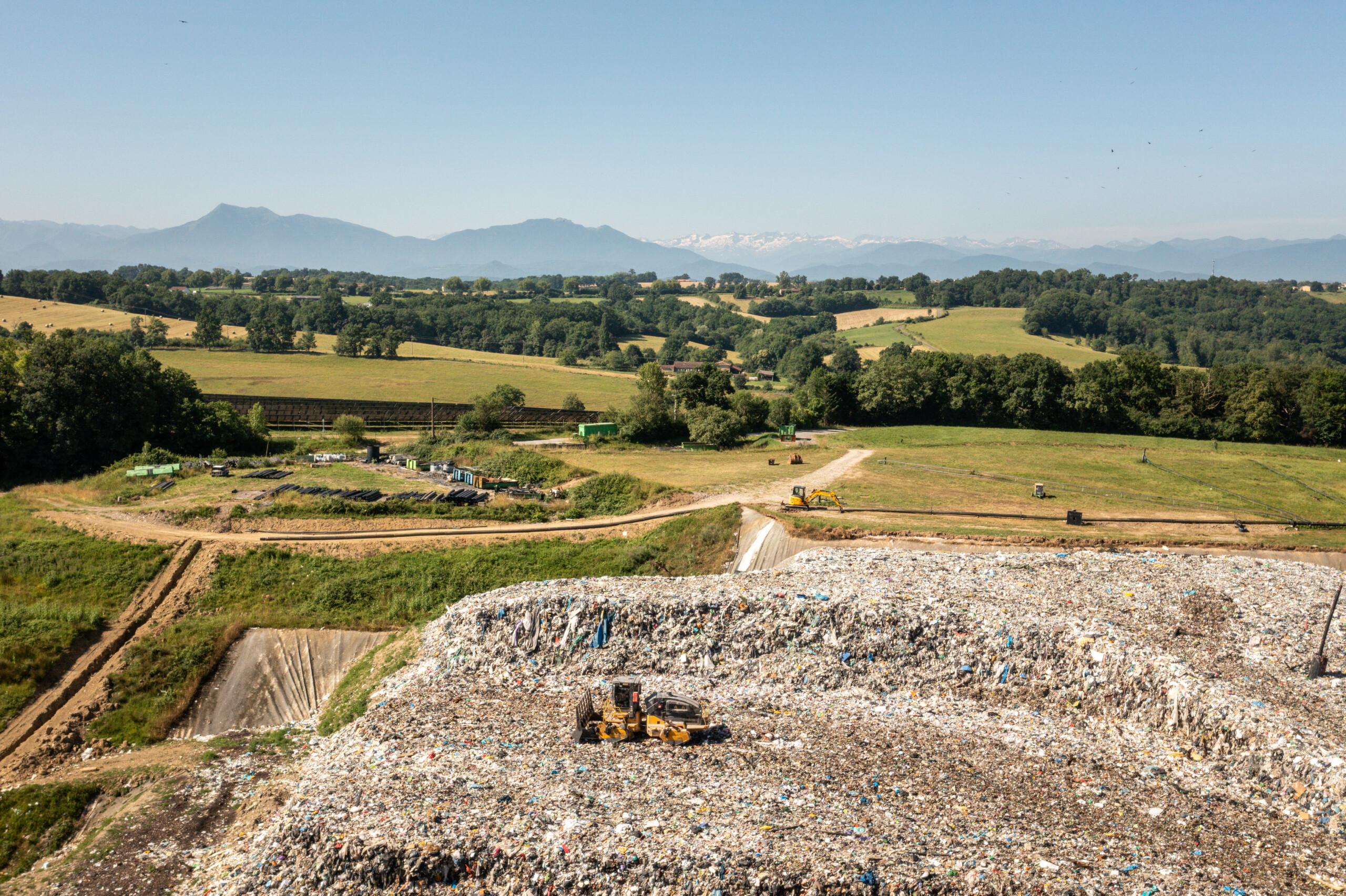
At the same time, the global system is not yet fully aligned with circular economy principles, and waste continues to be disposed of in landfill sites. Under these conditions, the efficiency of landfill operations remains an important factor in reducing environmental impacts.
Compaction rates influence landfill conditions and gas management
Methane has more than 25 times the warming impact of carbon dioxide, making it highly significant from a climate perspective. Since landfill sites remain part of the global waste management system, continuous improvements in operational efficiency and methane management are important in reducing environmental impact.
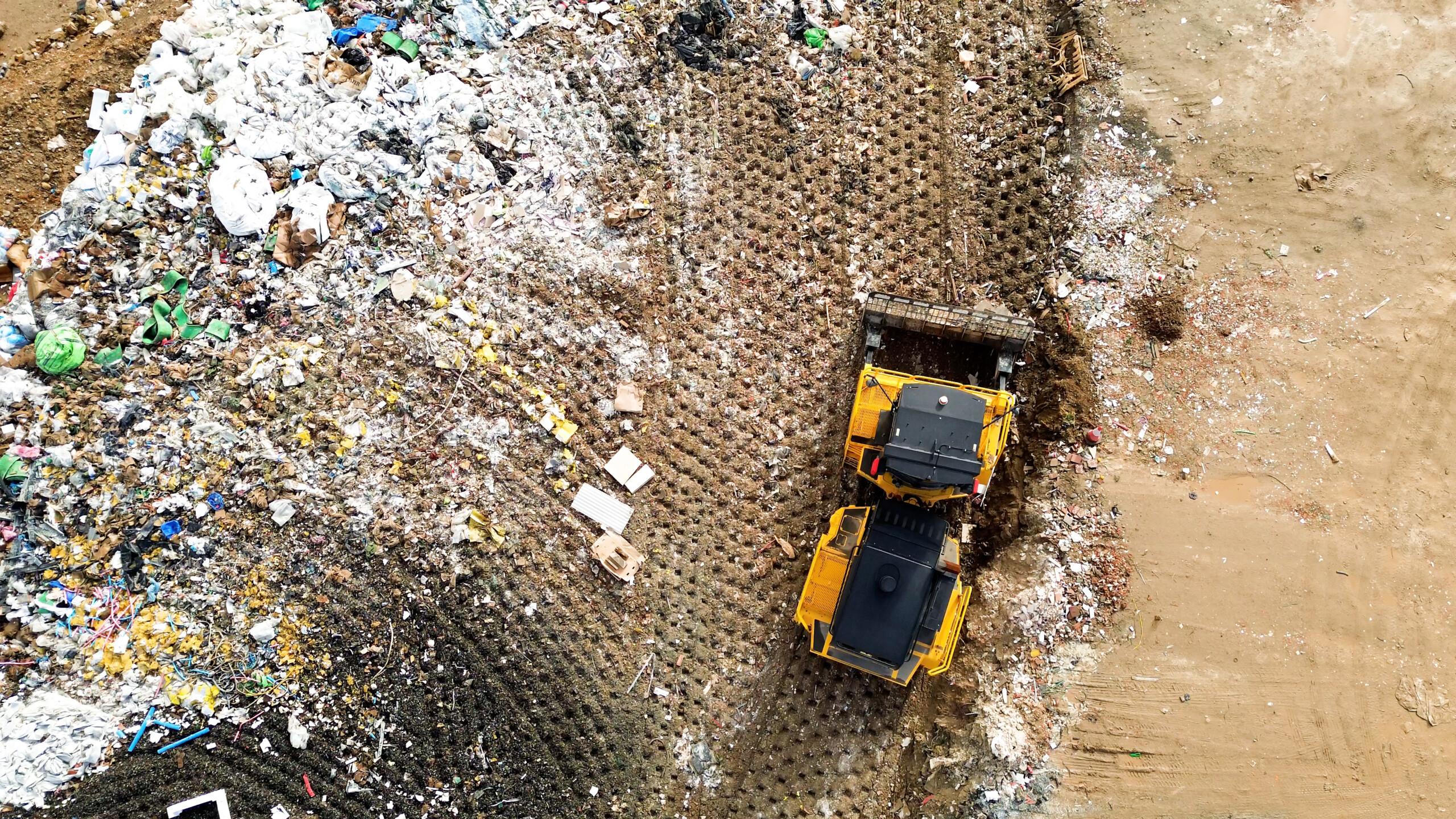
TANA landfill compactors are proven to be among the most efficient machines on the market, helping customers optimize landfill operations through high compaction performance and operational efficiency. In addition, the Smart Landfilling concept further improves waste compactability by creating smaller and more homogeneous waste particles. Improved compaction reduces air pockets inside the landfill mass and supports more controlled landfill conditions, contributing to better landfill gas management.
There is no finish line when it comes to improvement
In summary, Sarja concludes that while the use of TANA machines already contributes to reducing greenhouse gas emissions, especially recycling facilities, the work does not stop there. Guided by due diligence, Tana continuously develops the environmental performance of its operations and products in response to a constantly evolving business environment.